Fueling student success
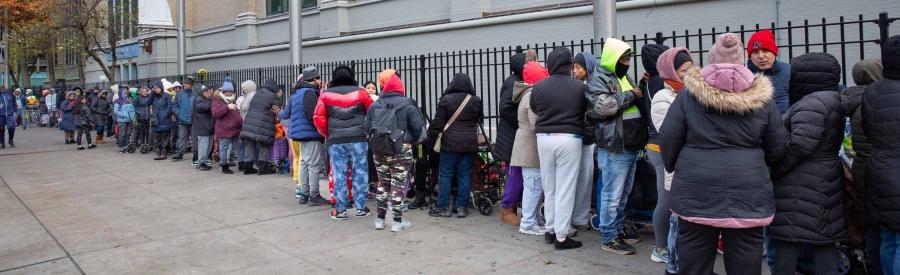
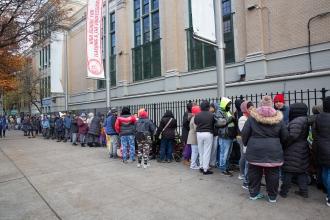
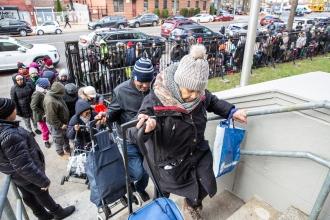
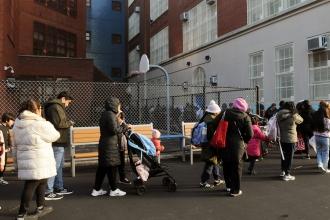
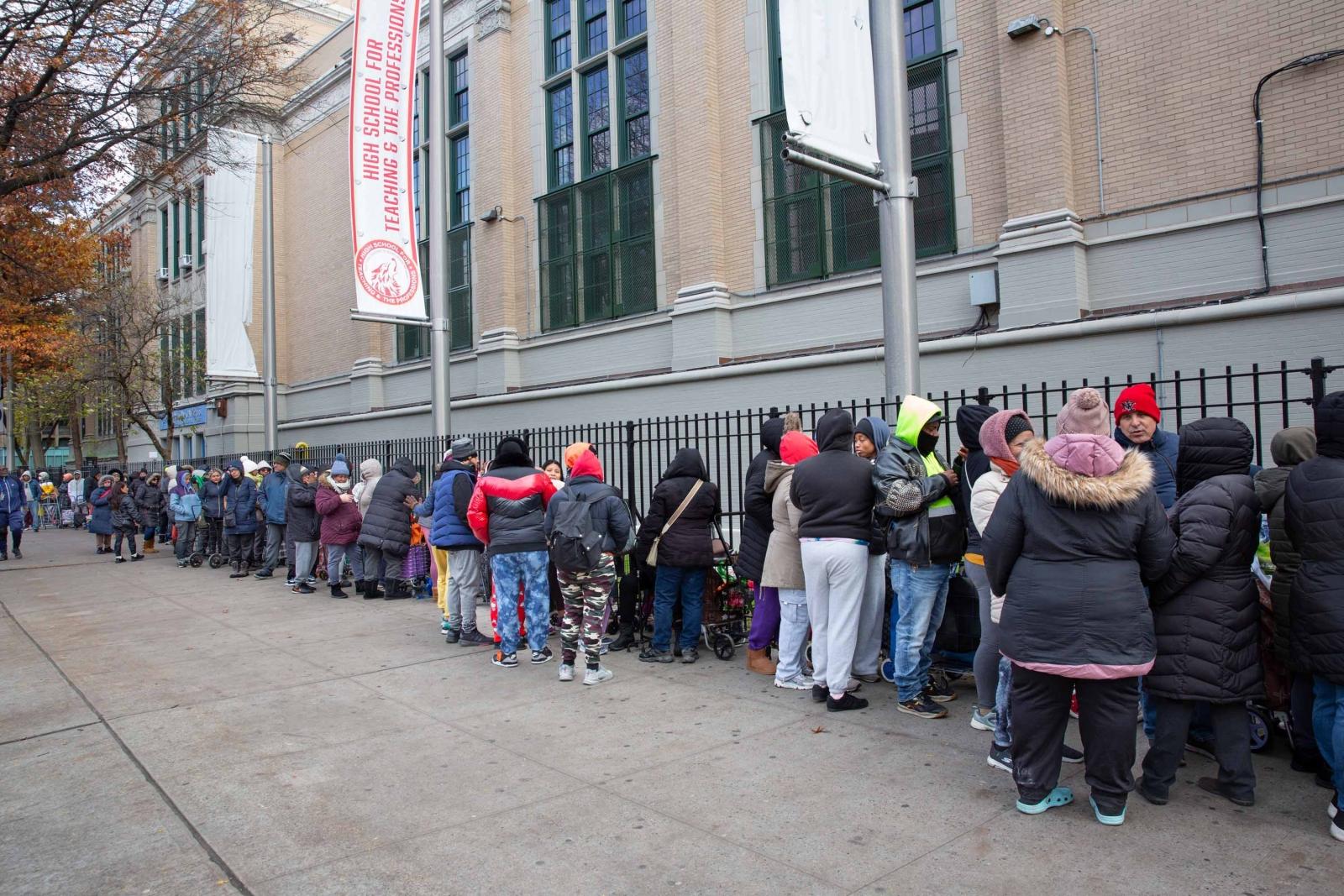
Families line up in the cold for hours for the opportunity to get food at the pantry organized by the International School for Liberal Arts on the Walton HS campus in the Bronx.
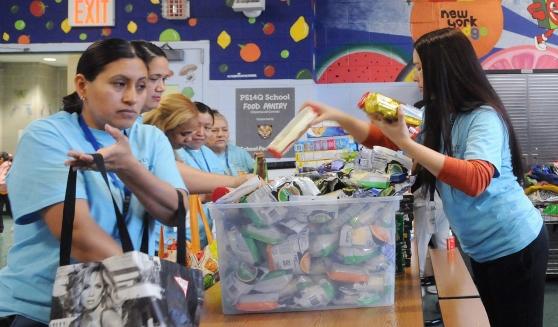
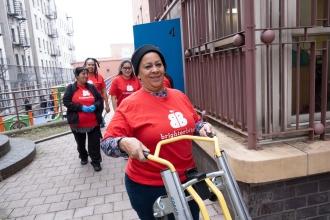
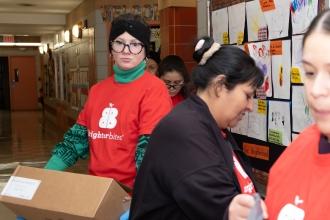
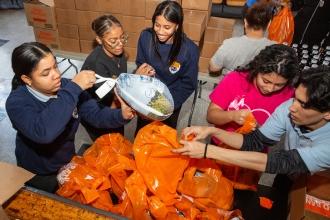
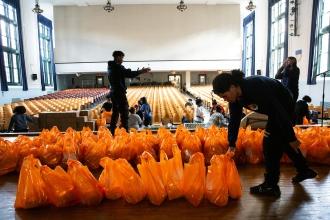
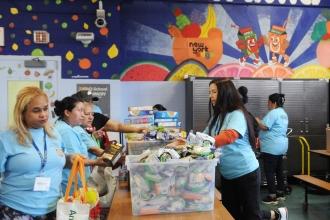
Parent volunteers pack up food to distribute at PS 14 in Queens, where struggling families often only have access to fresh produce through the pantry.

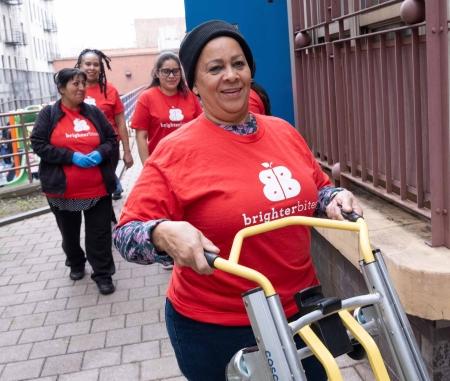
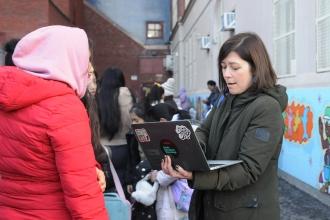
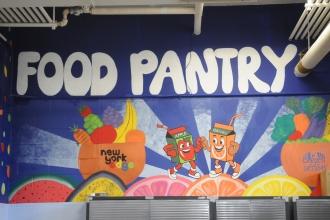
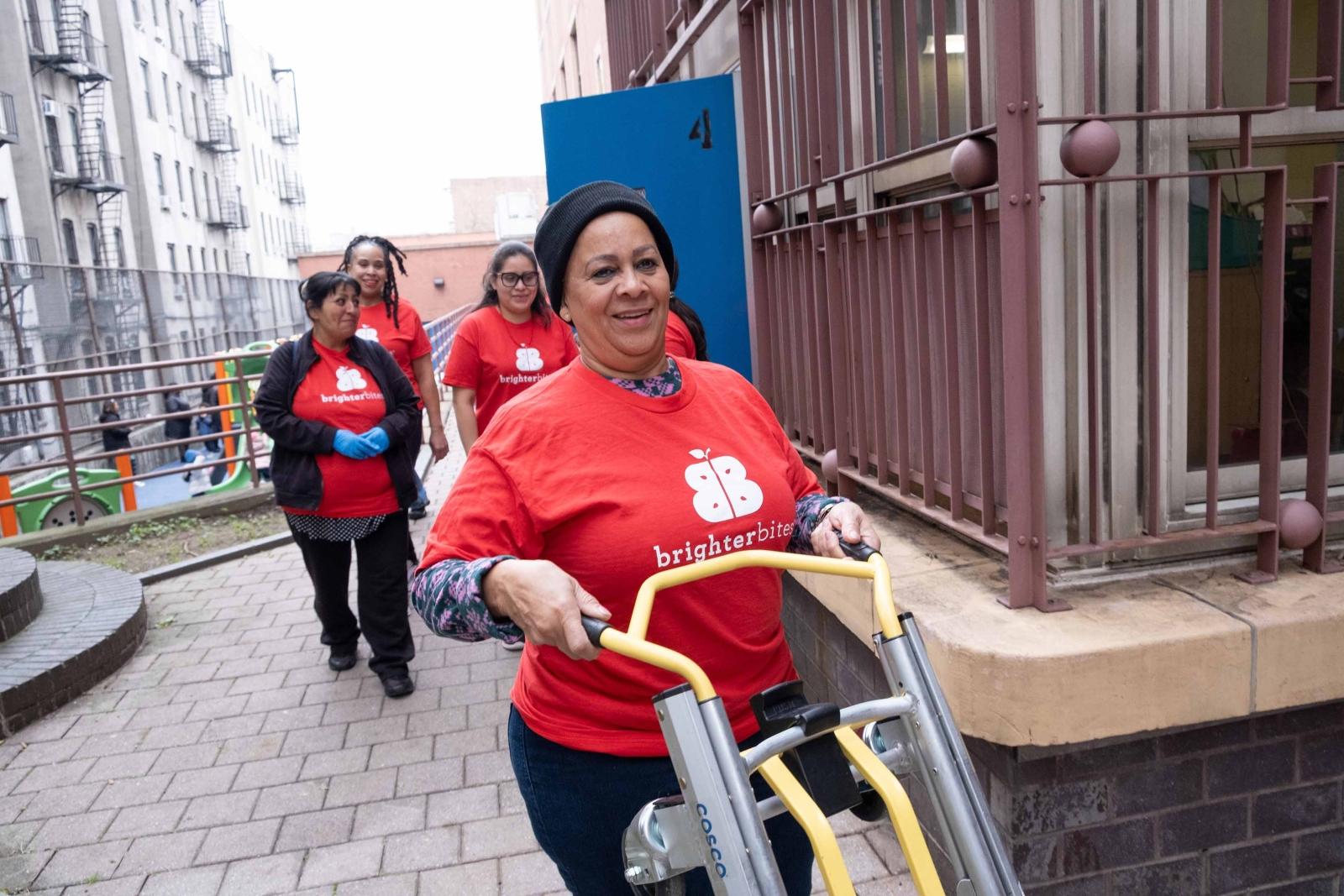
Parent volunteers await the arrival of produce to pack and distribute at Manhattan’s PS 4, where the number of families registered for the school’s pantry has doubled.
Families began lining up in the cold before dawn outside the Walton HS campus in the Bronx. With their shopping carts and reusable grocery bags in tow, families prepared to wait for hours outside the International School for Liberal Arts, hoping to get a bag of food before supplies ran out.
“The need is extremely great,” said Nubany Perez, the community school director at ISLA.
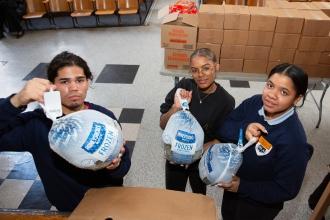
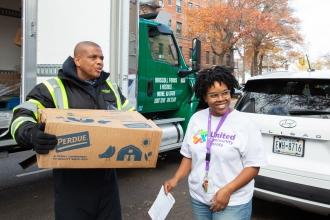
The 5:30 a.m. lineup on Nov. 17 was unusual, reflecting the fact that many families did not receive their SNAP benefits that month because of the disruption caused by the federal government shutdown. The promise of a Thanksgiving turkey also drew families to that day’s pantry, where parent and student volunteers distributed bags and boxes filled with a whole turkey or chicken and all the fixings to about 130 families.
But on a typical pantry day at ISLA, which is located in the Kingsbridge section of the Bronx, families arrive around 7:30 a.m. — more than five hours before doors open.
Similar scenes play out across the city at each of the 32 city schools in the UFT’s United Community Schools network, whose mission is to foster student success by supporting the needs of whole school communities. Monthly or weekly food pantries and distribution efforts help meet the nutritional needs of struggling families.
ISLA science teacher Cristie Peralta said addressing food insecurity among students’ families “allows us to support those students who struggle the most and ensure they have a level playing field so that they are able to compete. And that’s priceless.”
At PS 4 in Manhattan’s Washington Heights, community school director Oliver Grullon said the need is growing. Registration for the school’s biweekly food pantry has doubled this fall. “Families may be feeling less secure than last year,” he said.
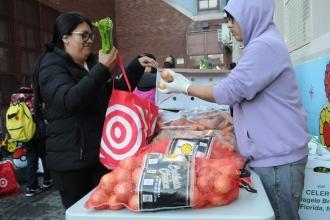
On Nov. 21, PS 4 parent volunteers packed and distributed bags of fresh fruit and vegetables with the school’s partner Brighter Bites. They filled about 130 bags for families and set aside an additional 34 bags for staff and teachers in need.
“You can’t be your best parenting self if you’re worried about filling up your pantry, and you can’t be your best parenting self if you’re worried about your child being hungry,” said PS 4 parent volunteer Bonnie Basabe. “Food prices have gone up. Having these supportive services provides a constant stream of being able to supplement what you can, where you can.”
At PS 14 in Corona, Queens, parent volunteer Alicia Wills said the pantry became a lifeline when the shutdown delayed SNAP benefits.
“I didn’t think I would be able to feed my family,” she said. By volunteering, she added, “not only am I helping myself, I’m helping others. It lets me give back what I was blessed with.”
Immigrant families at PS 14 see the school’s pantry as a safe haven.
“ICE is a concern,” said Natalia Alvarez, a 2nd-grade bilingual special education teacher. “The community hears stories of ICE going into supermarkets.”
PS 14 music teacher Angelica Ortega, who helped launch the pantry during the pandemic, said it serves multiple needs for the community. Undocumented immigrants aren’t eligible for SNAP benefits, she noted, and the neighborhood has limited access to fresh fruit and vegetables.
“We’re a food desert,” Ortega said. “There isn’t a lot of fresh produce around, and what is available is really expensive.”
The impact of the United Community Schools’ food pantries is felt in classrooms.
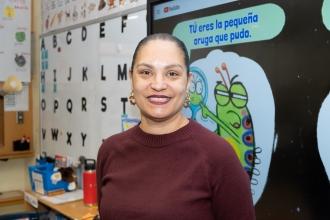
“My students bring excellent snacks from home, cooked food from home,” said Iolani Grullon (no relation to Oliver), a dual-language kindergarten teacher at PS 4.
Grullon said the school has promoted a culture of pride around the pantry. Students talk openly about what their parents receive, and staff, in turn, talk to the students about the contents in that week’s bag so children can share the information at home.
“If students are not well fed, then nothing we do in the classroom is going to be effective,” Grullon said. “You can’t teach a hungry tummy!”