
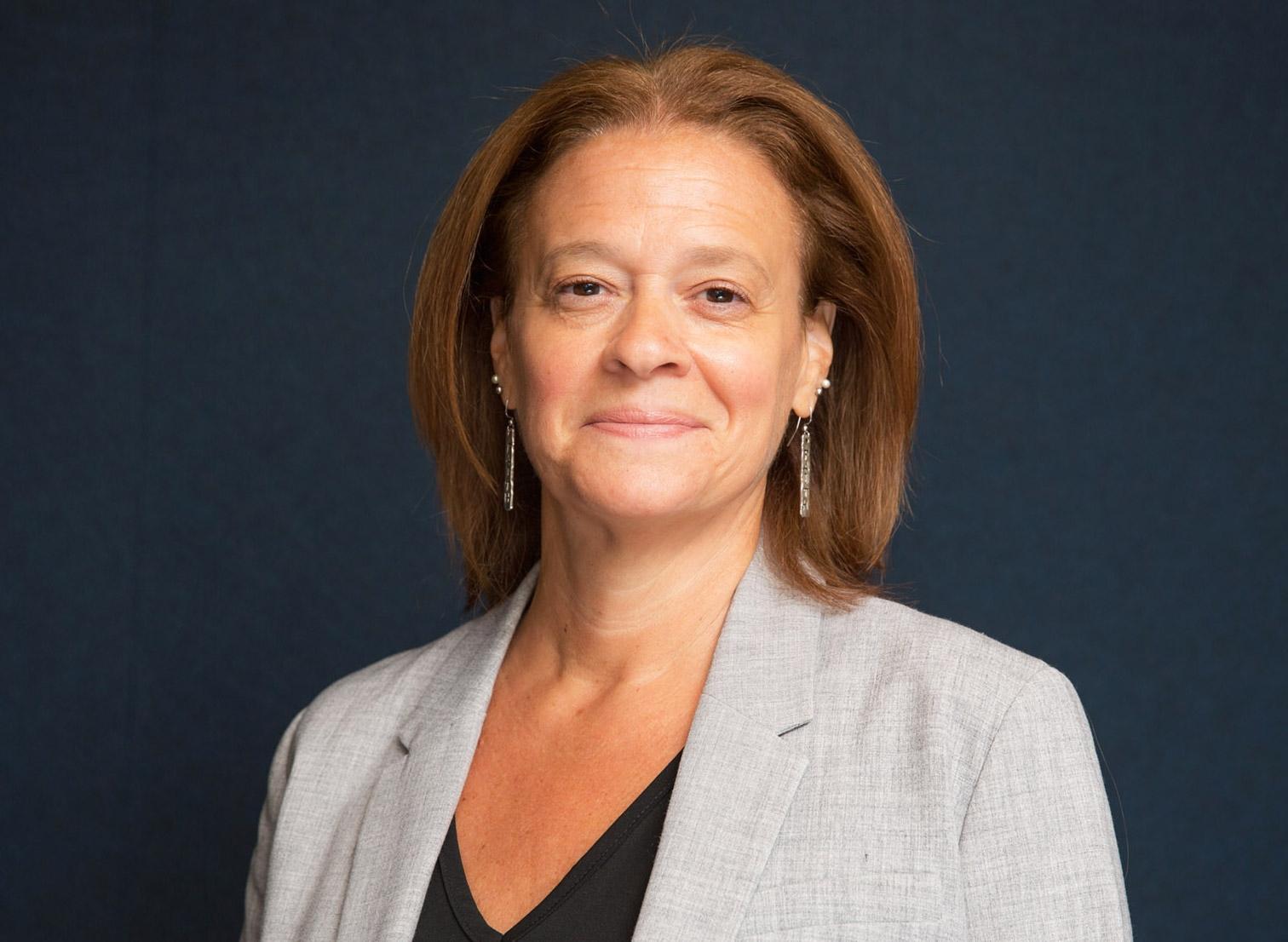
MaryJo Ginese
VP for Special Education
This year marks the 50th anniversary of the Individuals with Disabilities Education Act (IDEA). This landmark federal law requires public schools to provide a “free appropriate public education” to all students with disabilities.
We have come a long way since the days before 1975, when students with special needs were excluded from public schools, warehoused in institutions or left to languish in basements. Today, the teachers, paraprofessionals, and related service providers who support students with disabilities in New York City public schools do exceptional work. But a half-century after IDEA’s passage, its promise remains unfulfilled here in New York City.
Our members strive to meet students where they are, whether they are in a neighborhood school, a District 75 site or a nontraditional school or program in District 79. In neighborhood schools, general education and special education teachers work side by side in integrated co-teaching classrooms, and special education teachers and related service providers serve students in special classes and specialized programs such as Nest and Horizon. In District 75 and District 79, special education teachers and related service providers use their skills and creativity to help students with more significant disabilities and life challenges.
Yet despite the efforts of committed staff, our schools continue to fail students across the disability spectrum. Students with significant learning challenges who require highly specialized services can wait an entire school year for an appropriate District 75 placement because of poor planning and inadequate follow-up by the DOE. Without adequate support and communication skills, these students may exhibit aggressive behaviors or signs of developmental regression. These delays do a grave disservice to the students who need support most.
Placing students in the “least restrictive environment” is a core principle of IDEA. Yet in neighborhood schools, it has become synonymous with practices that place students with significant disabilities in schools and classrooms that are not prepared to support them and that deny students with mild and moderate disabilities opportunities to participate and succeed in less restrictive settings on a part-time basis. Although the DOE claims to support parallel programming that would allow students with disabilities to move between settings for individual subjects on their grade level, it has taken no steps to operationalize this critical tool.
Accountability and oversight remain essential. If you see something, say something. If you have a student who has waited months for a District 75 placement, file a confidential special education complaint.
Moving forward, we must continue to fight to ensure that students with disabilities receive their legally mandated individualized instruction and support. The school-based special education committee, established in the 2023 DOE-UFT contract, is the primary venue for addressing schoolwide issues, but it is not the only one. Special education issues can and must be raised in UFT consultation committee meetings and school leadership team meetings. Make sure you understand the goals in your school’s Comprehensive Educational Plan and how the school budget is being used — or not used — to support instruction and student achievement. Ongoing training is available from the UFT Special Education Department to help you understand and use all available tools.
You deserve to end each day feeling proud of what you’ve accomplished. But that is hard to do if students in your class are misplaced or not receiving the support they need. My department is here to assist you. Don’t hesitate to reach out.