
Fraudsters often prey on adults over 60, targeting their savings and counting on a lack of computer savvy.
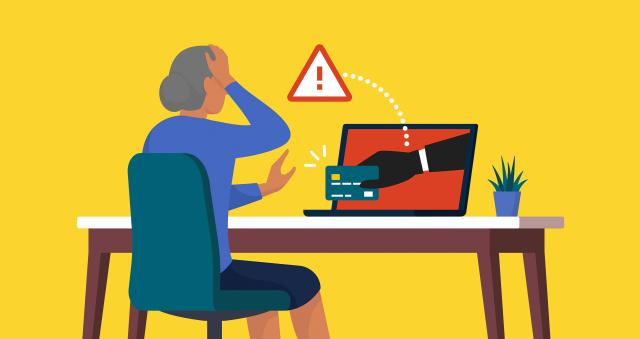
When retirees at a recent chapter meeting were asked if they had ever received a suspicious text, phone call or email, nearly every hand in the room shot up — a silent, unanimous answer that underscored the reach of modern scams.
“Scammers, fraudsters, they might use different tactics to reach me or you, but the intention is to reach everyone,” Rebecca Abraham of the city’s Department of the Aging told retirees gathered inside Shanker Hall at UFT headquarters.
No one is immune to the attentions of scam artists, but fraudsters often prey on adults over 60 because they are more likely to have savings and good credit and less likely to be computer savvy.
The Federal Trade Commission reported in 2025 that scammers are increasingly targeting retirees’ life savings. Losses skyrocketed 474% between 2020 and 2024 — from $122 million to $700 million. The FBI’s U.S. Internet Crime Complaint Center logged 201,266 elder fraud complaints last year. Victims lost an average of $38.50, but some individuals were scammed out of more than $100,000. All told, fraudsters stole $7.7 billion from adults over 60.
The most common methods fraudsters use are phishing and spoofing, according to FBI data.
Phishing is when scammers try to trick users into revealing sensitive information, while spoofers disguise their name, email, phone number or website URL to trick unsuspecting people.
The next most common methods used by scammers involve tech/customer support, investments, personal data breaches and fraud involving romance or as a result of being falsely taken into someone’s confidence.
“I almost fell for that one,” and “I was just ripped off last year” were among the comments retirees shared about their real-life experiences with fraud, RTC Chapter Leader Bennett Fischer said. The RTC will invite additional experts to speak on the topic in future.
Scammers’ goal is to obtain money or assets, and they use pressure, exploitation and manipulation to do so, said Abraham, who works in the Office of Elder Justice. She advised members to be skeptical and double check before accepting something as legitimate. If they get suspicious calls, texts or emails, they should ignore them, block numbers and report spam, she said.
Artificial intelligence is making scams easier and more believable, Abraham said, and fraudsters can reach so many more people. Text reads as more polished. Scammers use AI to create fake websites that closely mimic real ones, she said. They also clone publicly available audio to trick people into thinking the voice on the phone is someone they know, such as a grandchild.
Imposter and impersonation scams were the most damaging types in 2024, said Abraham, who reminded members that no legitimate government agency will require you to use gift cards, wire transfers or other methods to satisfy a debt.
Abraham also advised retirees not to answer potential spam calls and speak because scammers can use audio clips of your voice if you confirm who you are and then use those clips to commit fraud. “If you leave here with anything, if you’re going to pick up the call, don’t say anything,” she said.
Help is available for victims of elder fraud. NYC Aging has 300 older-adult centers citywide, and the agency’s Office of Elder Justice partners with borough-based elder justice programs. For more information, call NYC Aging at 212-244-6469.