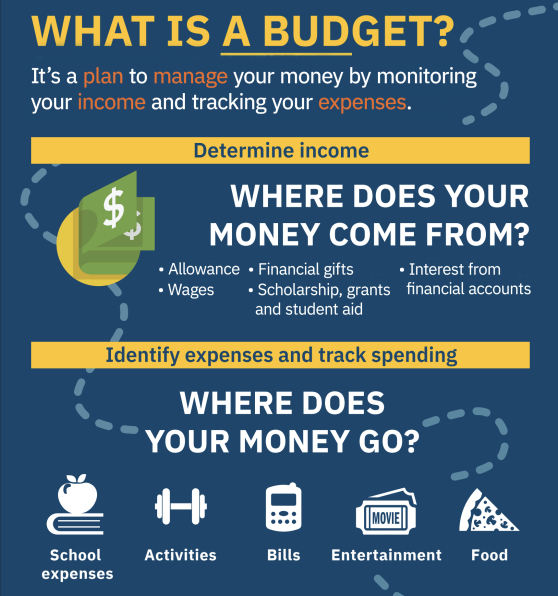
The Federal Reserve, the nation’s central bank, has financial education resources.
Financial literacy is a foundational life skill, yet too many young people reach adulthood without it. When students don’t learn how money works, the consequences can surface years later in the form of poor financial decisions, susceptibility to scams and long-term economic hardship.
Even though New York City is the financial capital of the world, the teaching of financial literacy skills has not been well integrated in city public schools, with the exception of career and technical education programs. But a broader and more intentional effort is now underway. The city launched its Financial Literacy for Youth initiative in June, and the State Education Department has proposed a mandate that would phase in financial literacy instruction across all grades over the next several school years.
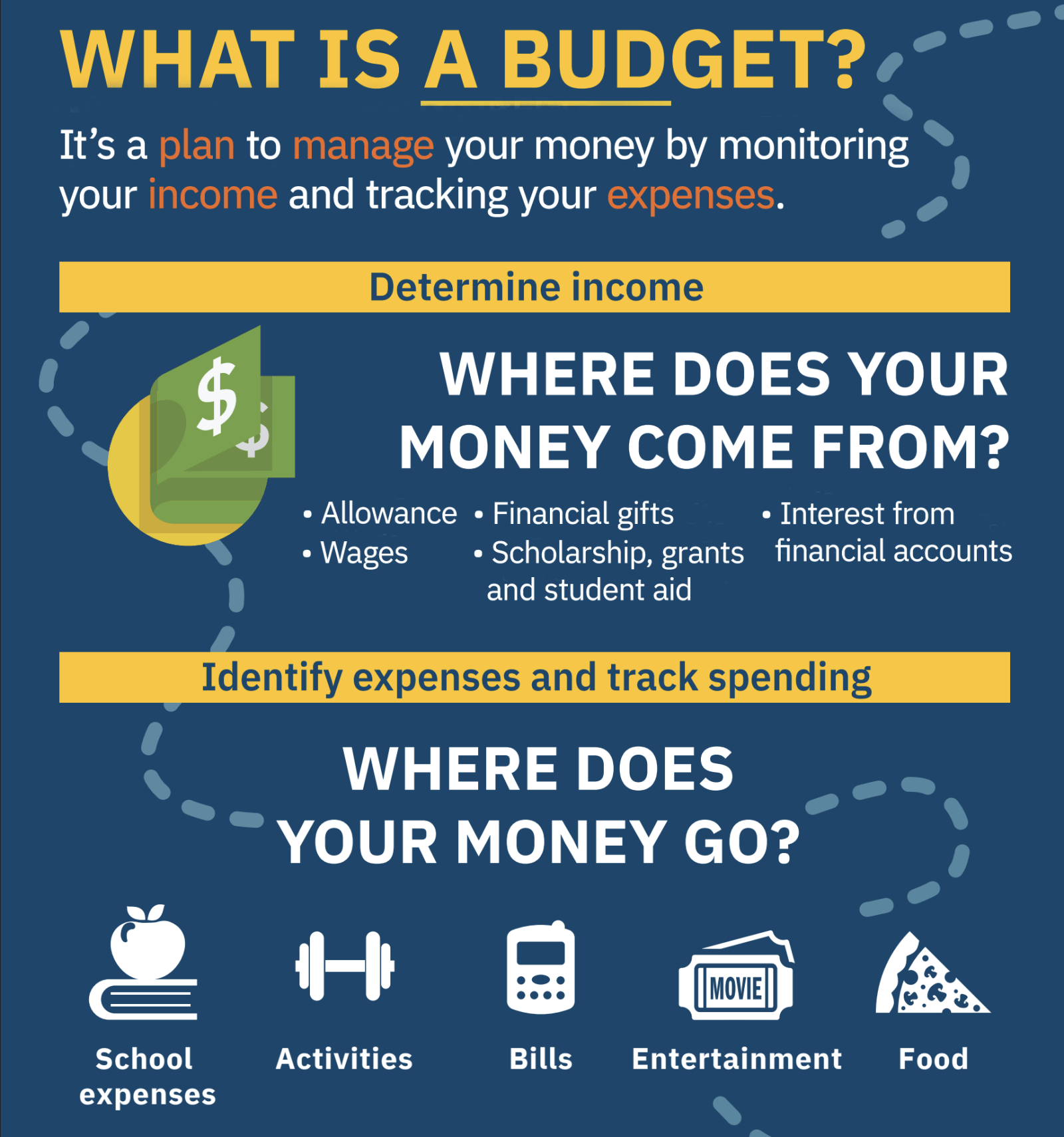
Financial literacy can be introduced early. In elementary grades, lessons about wants versus needs, the purpose of money and saving toward a goal help students build a foundation. Middle school students can explore creating budgets, career paths, credit and debt, and consumer choices. By high school, students are ready for more advanced concepts like investing, taxes, banking and entrepreneurship.
Educators looking for materials should be cautious when searching online. Some sites created by for-profit institutions may present a one-sided point of view or are marketing ploys masquerading as genuine instruction.
Below are several comprehensive, nonpartisan resources you can trust:
Federal Reserve Education is sponsored by the Federal Reserve Bank and was designed by educators. This comprehensive and visually interesting site contains lessons and full curriculum units covering a wide array of economic topics. The site also offers free professional development webinars for teachers.
The U.S. Consumer Financial Protection Bureau maintains a youth financial education hub with K–12 activities, a developmental framework for teaching financial skills and a curriculum review tool to help educators compare programs.
EconEdLink is a resource developed by the U.S. Council for Economic Education. It offers K–12 lessons, videos, assessments and family materials on a variety of economic topics. There are also professional development opportunities for educators, including annual summer and winter institutes.
Money Smart for Young People is a resource of the Federal Deposit Insurance Corp. that features four free curricula to promote financial understanding for students in pre-K through grade 12. Each curriculum includes an educator guide, student handouts, slides, ideas for cross-curricular connections and strategies for adapting lessons to reach all learners.
U.S. Mint Coin Classroom features online activities, games, videos, lesson plans and resources that teach math and finance concepts geared to students in grades K–6, as well as providing information about coins and the U.S. Mint.
Maybe you played the Stock Market Game when you were in high school. The modern online version lets students in grades 4–12 participate in virtual investing while learning about global capital markets, economics and personal finance.