Teaching

Behavior-management tips from a District 75 educator
Behavior-management techniques commonly employed in District 75 special education classrooms can be used to address and de-escalate student behavior in general education settings as well. Longtime District 75 teacher Nina Krisel Berke shares four behavior-management tools.

Creating classroom content with AI tools
Find about a variety of educator-friendly AI tools with tips on how to use them to create classroom resources, including Notebook LM, Suno and others.

Partnering with paraprofessionals
When teachers and paraprofessionals are on the same page, the classroom becomes a place of unity and students are the beneficiaries. Teachers across the city discuss the benefits of forging strong, healthy relationships with the paraprofessionals with whom they work.

Making every voice count
Talking roles are discussion jobs that rotate among students in a small discussion group. The roles give quieter students a clear entry point, encourage active listening and build accountability.
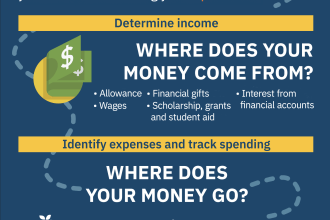
Teaching financial literacy
Financial literacy is a foundational life skill, yet too many young people reach adulthood without it. Here are several comprehensive, nonpartisan resources teachers can trust.

Harnessing AI to support educators
As AI penetrates public education faster than policy can keep up, educators are being asked to navigate powerful new tools with little guidance. To help fill that void, the AFT has released a framework meant to ensure AI supports teaching and learning rather than undermines it.