
What Tier 6 wins did we achieve in 2026?
58/30. UFT TRS Tier 6 members are now able to retire with an unreduced pension at 58 with 30 years of service instead of 63, five years earlier than before. While the fight for 55 continues, this is a major step forward.
What do these five years mean?
- Five years earlier to retire with an unreduced pension
- Five fewer years of pension contributions (up to $45,000!)
- Up to $425,000 in pension payments to collect from ages 58-63, without working
How did we achieve this win?
Pension tiers are reformed through state legislation, but nothing gets done unless we support and fight for it.
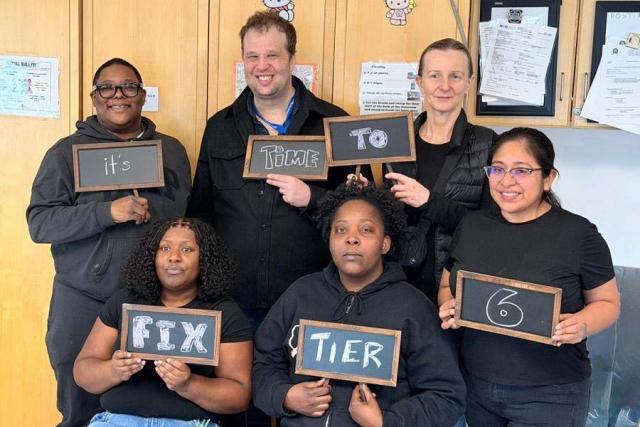
You made this year’s pension wins happen. We could not have achieved this without our Fix Tier 6 campaign. All of the “6 Days,” rallies, social media posts, phone calls and emails to elected officials made this a reality for over 78,000 UFT members in Tier 6.
What comes next?
58/30 is the largest pension reform we have ever achieved in one year. It took 28 years and over 90 fixes to make Tier 4 what it is today, so it’s safe to say we are ahead of schedule. We have the momentum and collective strength we need to keep pushing for 55/30 for all Tier 6 members. Take the summer to rest up because when September comes, we will hit the ground running and won’t stop until we win.
What other improvements have already been made to Tier 6?
Thanks to our advocacy, in addition to 58/30, Tier 6 has already been improved by:
- Changing the final average salary (FAS) calculation to match Tier 4, resulting in a higher pension benefit upon retirement. Previously, the FAS for Tier 6 was an average of the five highest-paid consecutive years of employment. Tier 6 members are now able to calculate their FAS using just the three highest-paid consecutive years, which results in a higher pension calculation.
- Dropping the pension vesting period from 10 to five years to match Tier 4. This means Tier 6 members are now eligible to receive a pension five years earlier.
Why did different pension systems see different reforms?
Different pension systems and unions had different priorities. UFT members’ number one priority was lowering the retirement age, so that’s what our union pushed for. In the end, the governor decided to give different reforms to different unions based on what their leaders asked for.
How do I know if this reform applies to me?
All Tier 6 members of the Teachers’ Retirement System (TRS) are now eligible to retire at 58 with 30 years of service.
If you are a member of the Board of Education Retirement System (BERS), contribution rates will be reduced across salary bands. See more information on the BERS website.
What is Tier 6?
Tier 6 is the pension tier that covers most New York State and city public employees hired on or after April 1, 2012. While Tier 6 provides a financially secure retirement, it is not as beneficial as previous tiers. Tier 6 sets a later retirement age — 58 as opposed to 55 after 30 years of service — requires higher employee contributions, and calculates pensions in ways that can reduce retirement benefits despite completing a full career of public service.
Why is the UFT working to Fix Tier 6?
Tier 6 is fundamentally unfair and out of step with the realities of public education. Tier 6 asks educators to pay more and work longer for the same retirement benefits enjoyed by their colleagues doing the same jobs under earlier tiers. Tier 6 also disproportionately affects younger workers, women and educators of color, who were more likely to have been hired after 2012 and to experience career interruptions. These gaps undermine morale, worsen recruitment and retention, and threaten the stability of our profession. Our students lose when educators don’t stay in our profession. We deserve the same retirement security previous generations fought for and won.
What is a pension tier?
A pension tier sets regulations on how your pension is calculated, such as how much you contribute and when you can retire as a New York State or city employee. Your tier is based mainly on when you were hired. There are separate, distinct tiers affecting New York City educators depending on when they joined the retirement system, with earlier tiers offering more generous pension benefits.
What are the different state pension tiers?
The existing pension tiers for New York City educators with qualifying appointment dates are listed below:
- Tier 1: individuals who joined the Teachers’ Retirement System (TRS) before July 1, 1973.
- Tier 2: individuals who joined TRS after June 30, 1973, and before July 27, 1976.
- Tier 3: individuals who joined after July 26, 1976, and before Sept. 1, 1983. All Tier 3 members are eligible to retire under Tier 4.
- Tier 4 (age 62): individuals who joined after Aug. 31, 1983, but prior to Feb. 28, 2008. Members in this tier can also retire at age 55, with 30 years of service, without a reduction. These members also had a one-time option to join the Tier 4 55/25 plan, which increased employee contributions but allowed for an earlier retirement date.
- Tier 4 (55/27): individuals who joined after Feb. 28, 2008, but prior to April 1, 2012.
- Tier 6: individuals who joined the retirement system after March 31, 2012.
Why are there different pension tiers?
Whenever New York State made changes in public employee pension benefits, the Legislature passed a new law creating a new pension plan for people hired after the law’s effective date.