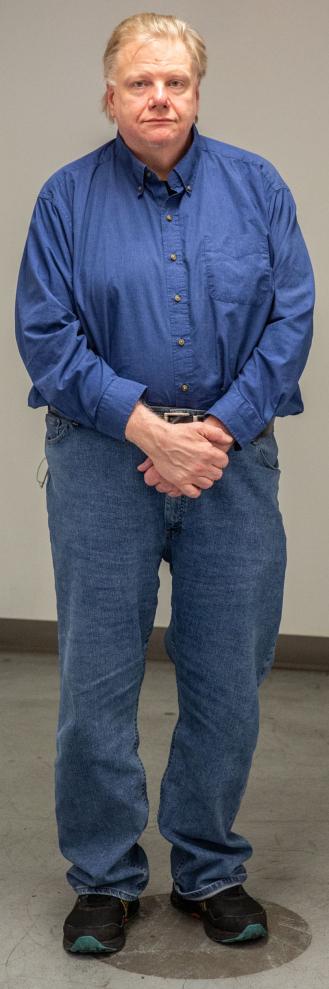
Matthew Colacurto
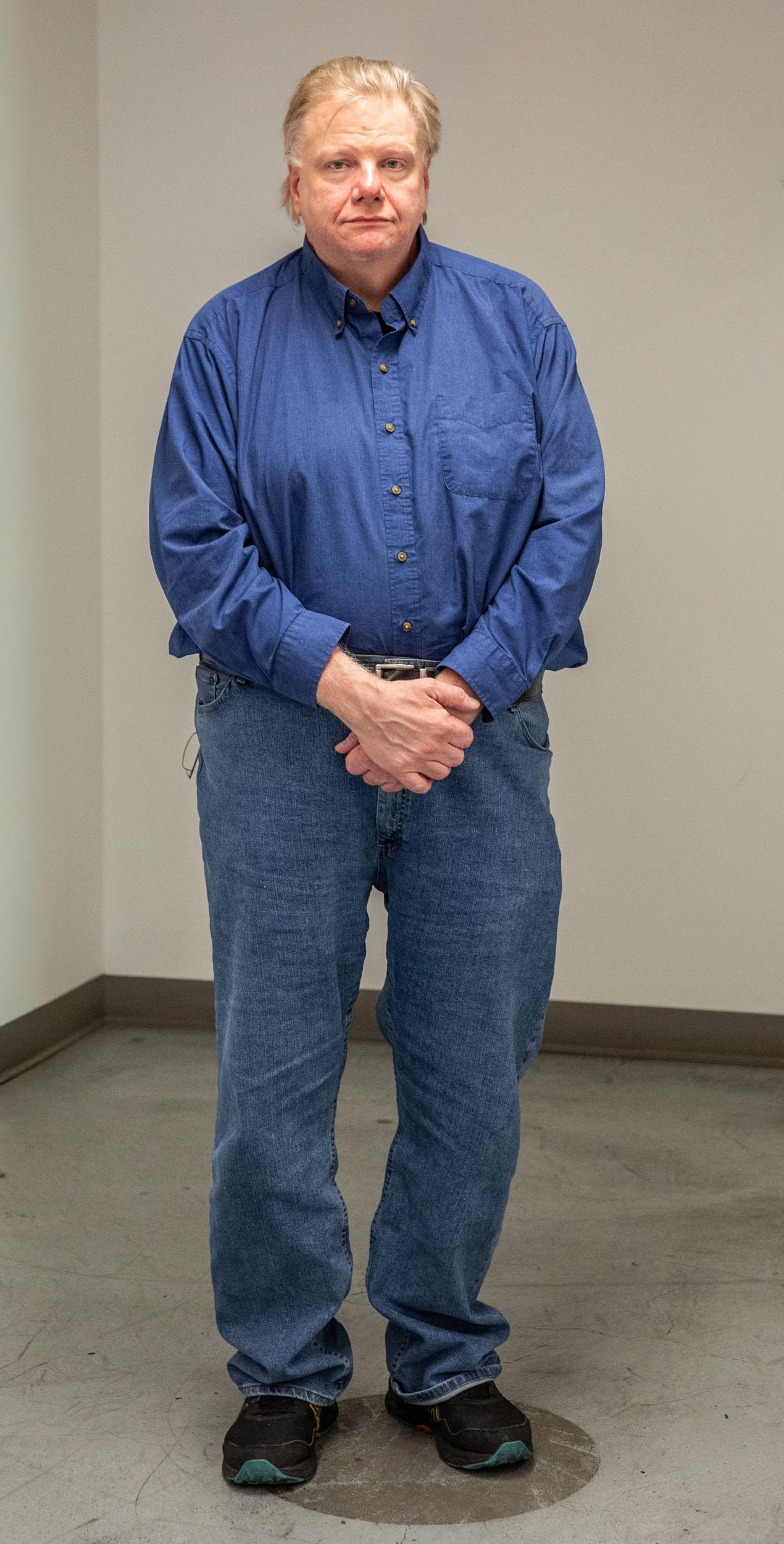
As a teacher at a Pathways to Graduation program in Manhattan, Matthew Colacurto helps to prepare noncompulsory students ages 17 to 21 for the high school equivalency exam.
What is special about a Pathways to Graduation school?
Pathways to Graduation is part of District 79, a citywide alternative schools district. Our students, ages 17 to 21, are noncompulsory, or outside the mandatory age for school attendance. Our students didn’t succeed in traditional school settings for a variety of reasons, including housing insecurity, food insecurity, drug use or the need to balance full-time work with school. We have about 80 locations throughout the city, including central hubs, serving 200 or 300 students, and smaller satellite sites like mine, with as few as 15 or 20 students.
How does teaching at your Pathways to Graduation site differ from teaching at a traditional high school?
I am the only full-time teacher of my approximately 15 students, and I teach every subject except math. My site is at the North Manhattan Improvement Corp. (NMIC). An itinerant math teacher visits, and we have a social worker who visits regularly.
Why does Pathways to Graduation succeed with these students when regular high school did not?
We’re able to do things differently. Students can focus on the subjects they need for their high school equivalency (HSE) exam. For example, if a student already has a social studies Regents credit, they can do independent work on math while I teach the social studies lesson. We also offer referrals to services like mental health care or legal support for housing and immigration issues. The biggest reason for our success is that the flexibility allows educators like me the time to really get to know the students. I had one student in December who got a text at the end of class indicating that he might lose his home the next day. Working with NMIC and the social worker, I stepped into action, and by that evening, the student had supports in place in case he lost his housing.
What has brought you the most satisfaction teaching for Pathways to Graduation?
The first site I worked for served homeless and mentally ill students. Pathways to Graduation students usually complete the program in about a year, but they can remain enrolled until they turn 21. Knowing this, one student at my first site stayed in the program for about three, maybe four, years. He suffered from a severe case of PTSD. He successfully graduated. He went on to college, got his degree in social work and now runs a community-based organization.
I feel the impact of his success not just because he got his HSE and went to college, but because we were able to create a connection. He knew I would stay to talk to him after class. He knew he could stay in the program for as long as he needed to get his HSE.
What led you to work as a Pathways to Graduation educator?
I was a social worker in New Jersey working with HIV and AIDS patients when AIDS was still a fatal disease. I got burned out. I returned to school and got my master’s in education. I met a District 79 principal and thought, “This is the perfect fit.” I’ve been a Pathways to Graduation teacher for 20 years.
How does your social work background inform your teaching style?
I love the philosophy of Paolo Freire. He taught that you cannot succeed with a student until you know where that student is coming from. So, I don’t assume anything. If a student arrives late, I’ll ask, “What happened? Are you sick? Did you have to work until 5 in the morning? Are you hungry?” By making that social-emotional connection, I help them succeed academically. I show them that a teacher will go out on a limb for them — that they deserve for someone to help.